
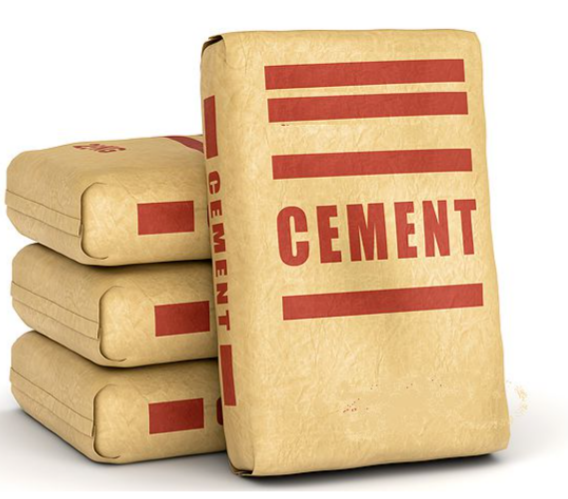
Description
The Manufacturing Process
1. Quarrying and Crushing
2. Proportioning and Grinding
3. Preheating and Calcination
-
- Preheater: The raw meal passes through a series of cyclone preheaters that use exhaust gases from the kiln to pre-heat the powder, saving massive amounts of energy. [1]
- Rotary Kiln: The preheated material enters a massive, rotating cylindrical kiln. Fired by coal or natural gas, the kiln reaches temperatures up to 1450°C. [1, 2, 3]
- Reaction: At this extreme temperature, the raw meal undergoes calcination—where carbon dioxide is released from the limestone—and fuses together to form marble-sized, dark gray nodules called clinker. [1]
4. Cooling and Final Milling
-
- Clinker Cooler: The hot clinker is quickly cooled using forced air to stabilize its mineral structure.
- Cement Mill: The cooled clinker is ground in massive ball or roller mills alongside roughly 5% gypsum. The gypsum is critical, as it controls the setting rate of the cement when mixed with water. [1, 2]
5. Storage and Dispatch
For tips on how to get the exact chemical proportions and grind consistency right:

7m
How Cement Is Made In Factories?


Engineering World
YouTube · 23-Sept-2022
If you are researching industrial manufacturing, would you like to know more about:
- Alternative fuels used to reduce carbon emissions in cement kilns?
- Vertical Roller Mills vs. Ball Mills for clinker grinding?
- Common quality control tests performed in the lab?

Reviews
There are no reviews yet.