Key Eras in Scientific History
Ancient Roots (c. 3000 BCE – 6th Century BCE):
Early civilizations in Egypt, Mesopotamia, China, and India developed practical mathematics, astronomy (for calendars), and medicine. [1, 2]
Greek Natural Philosophy (c. 600 BCE – 300 BCE):
Pre-Socratic thinkers and scholars like Aristotle and Archimedes sought to explain the physical world through natural causes rather than myth.
The Islamic Golden Age (8th – 14th Centuries CE):
Scholars preserved, translated, and built upon classical knowledge while making major advancements in optics,
The Scientific Revolution (16th – 17th Centuries CE):
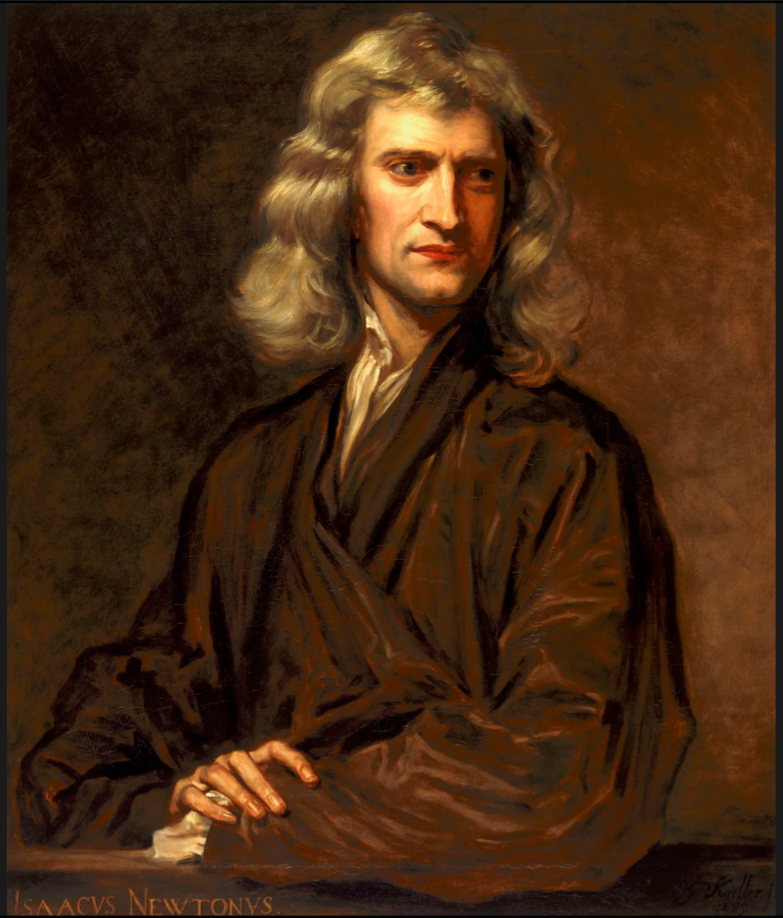
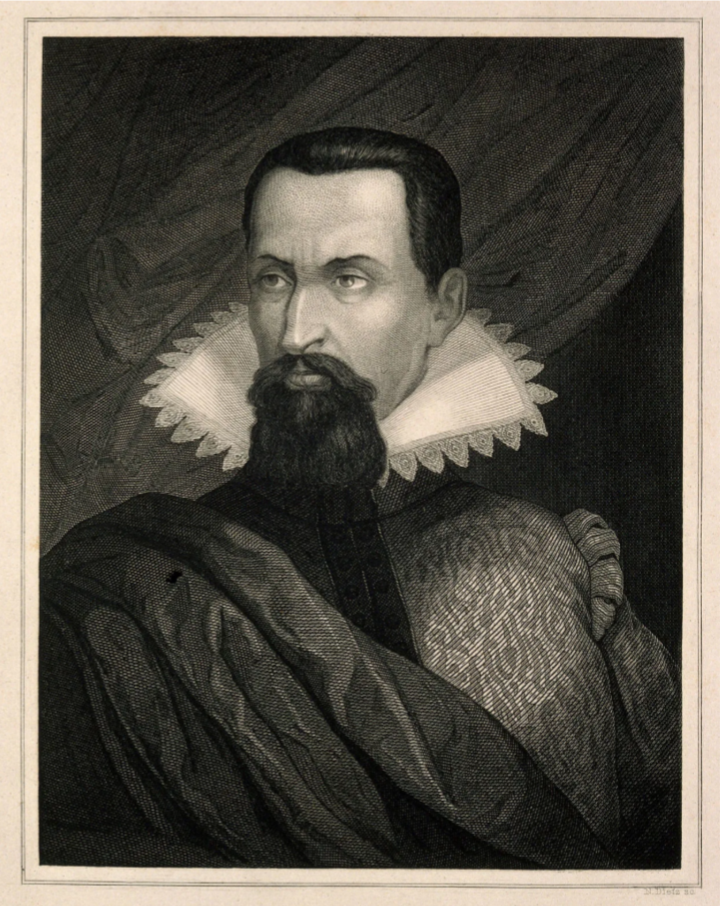
A drastic shift in scientific thought replaced ancient paradigms. Figures like Copernicus, Galileo, and Newton established mathematics, abstract reasoning, and the experimental method as the foundations of discovery. [1, 2, 3]
The Enlightenment to Present:
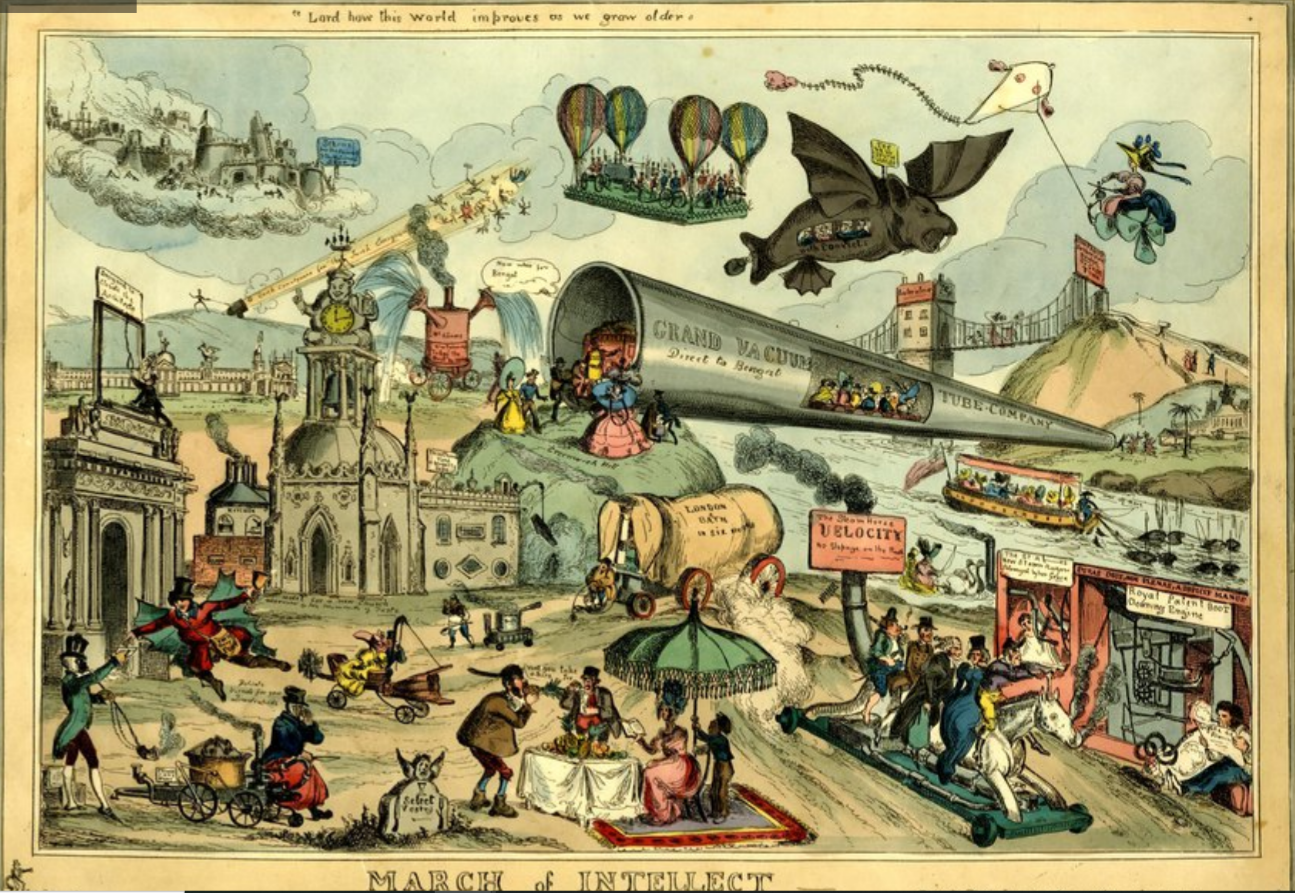
Science transformed from “natural philosophy” into specialized, institutionalized disciplines, leading to the industrial, biological, and technological revolutions. The term “scientist” wasn’t officially coined until the 1830s. [1, 2]
Key Scientific Concepts Pictured
Optics and Light:
Newton is shown holding a triangular prism. In the 1660s, he demonstrated that white light is a composite of all the colors of the visible spectrum by diffracting a beam of sunlight through a prism
The Reflecting Telescope:
The large device in the foreground is a reflecting telescope. Newton invented this instrument in 1668, using mirrors instead of lenses to eliminate “chromatic aberration” (color blurring) common in the refracting telescopes of his time
Gravity:
The apple tree in the background refers to the famous story of Newton observing a falling apple at Woolsthorpe Manor. This insight led him to formulate the Law of Universal Gravitation, explaining how the same force governs both falling objects on Earth and the orbits of celestial bodies
Major Theoretical Achievements
Newton’s work provided the foundation for classical mechanics and modern physics: [1, 2]