The History of Makkah
Makkah (or Mecca) is the holiest city in Islam and the birthplace of the Prophet Muhammad. Its history spans thousands of years, evolving from a barren desert settlement established by Prophet Ibrahim (Abraham) into the spiritual heart of the global Islamic faith and a highly modernized metropolis.
. Ancient Origins and the Kaaba
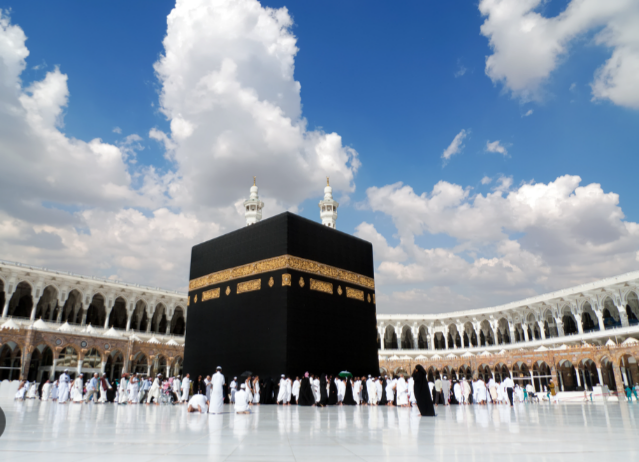
Prophetic Roots: According to Islamic tradition, Makkah’s origins date back to when Prophet Ibrahim (Abraham), accompanied by his wife Hagar and son Isma’il (Ishmael), settled in the barren valley. Under divine command, Ibrahim and Isma’il built the Kaaba as a house of monotheistic worship. [1, 2, 3, 4]
Pre-Islamic Trade Hub:
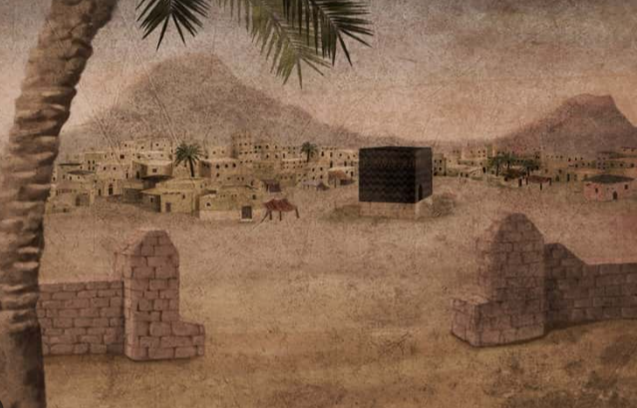
Over centuries, Makkah’s location along major Arabian caravan routes connecting Africa, South Asia, and the Mediterranean turned it into a crucial trading and pilgrimage hub. However, over time, the city fell into paganism, and the Kaaba was filled with hundreds of idols. [1, 2, 3]
The Islamic Era (7th Century)
Birth of Prophet Muhammad (SAW):
Prophet Muhammad was born in Makkah in 570 CE. At age 40, he received his first revelations from God in the nearby Cave of Hira atop Jabal al-Nour.
Migration and Return:
Facing intense persecution, the Prophet and his early followers migrated to Madinah in 622 CE (an event known as the Hijrah). Years later, in 630 CE, he returned to Makkah in a peaceful conquest, cleansed the Kaaba of idols, and rededicated the city to the worship of the one true God. [1, 2, 3, 4, 5]
Rule and Development
Caliphates and Empires:
Following the Prophet’s passing, Makkah was governed by various Islamic caliphates—including the Umayyads and Abbasids. Because of its intense religious significance, control of the city shifted between multiple local and regional rulers, including Hashemite Sharifs who maintained authority for centuries.
Saudi Era:
In 1925, Makkah was conquered by King Abdulaziz Ibn Saud, bringing the city under the control of the Kingdom of Saudi Arabia, where it remains today. [1, 2]
Modern Expansion
Massive Infrastructure:
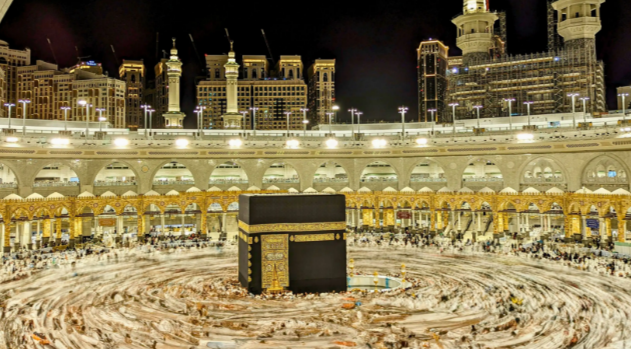
In the modern era, the city has undergone unprecedented transformations. The Saudi government has overseen massive expansions of the Masjid al-Haram (The Great Mosque) to accommodate the millions of worshippers who travel for the annual Hajj and Umrah pilgrimages. [1, 2]
Accessibility:
Today, Makkah boasts modern infrastructure, including advanced transportation networks like the Al Haramain High-Speed Railway that connects the holy city to Madinah and King Abdulaziz International Airport in Jeddah. [1, 2, 3]