
Evolution of Practices:
Tracking medical advancements from ancient, medieval, and Renaissance times to modern, high-tech systems.
Thematic Focus:
Specializations include the history of surgery, anatomy, psychology, and public health.
Contextual Medicine:
Exploring medical traditions alongside social changes, epidemics, colonialism, and ethical development.
Research Skills:
Training in utilizing archives, medical museums, digital, and primary sources to build historical arguments.
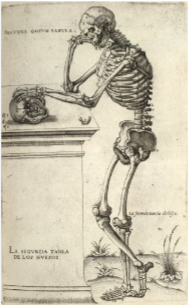
Medicine and Humanities:
Using history to understand the physician’s role in a broader social context and to foster critical perspectives on modern medicine. [1, 2, 3, 4, 5, 6, 7]
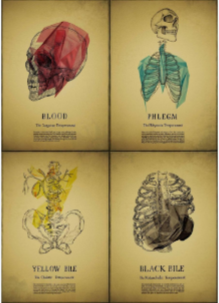
Key Institutions and Opportunities:
Johns Hopkins University:
Offers an online Post-Baccalaureate Certificate and MA in the History of Medicine with courses covering topics like the history of biomedicine and research methodology
University of Cambridge:
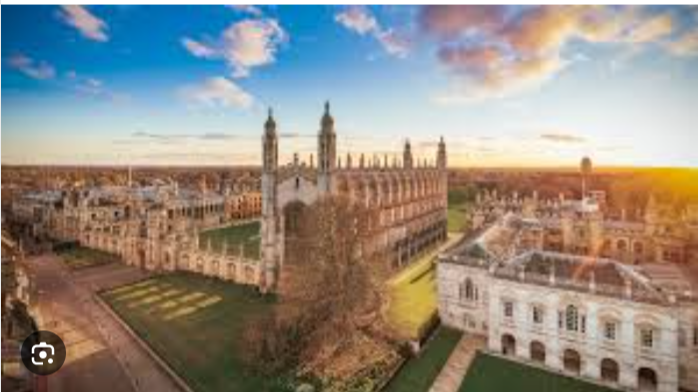
Provides an MPhil in History and Philosophy of Science and Medicine, including training in research methods and specialized seminars.
Methodologies in Medical History
Research Skills:
Learning to find, analyze, and interpret medical, social, and archival records.
Utilizing Collections:
Visiting medical museums, archives, and digital resources to understand material culture.
Clinical Applications:
Applying historical knowledge to current medical practices, such as understanding cultural variations in care. [1, 2, 3]